eGov-Lens: Multi-Dimensional Aspect-Based Feedback Analysis for Bengali e-Government
How we curated a 34,001-comment Bengali public service feedback dataset and benchmarked transformer architectures with Entropy-weighted TOPSIS for deployment-ready governance intelligence.
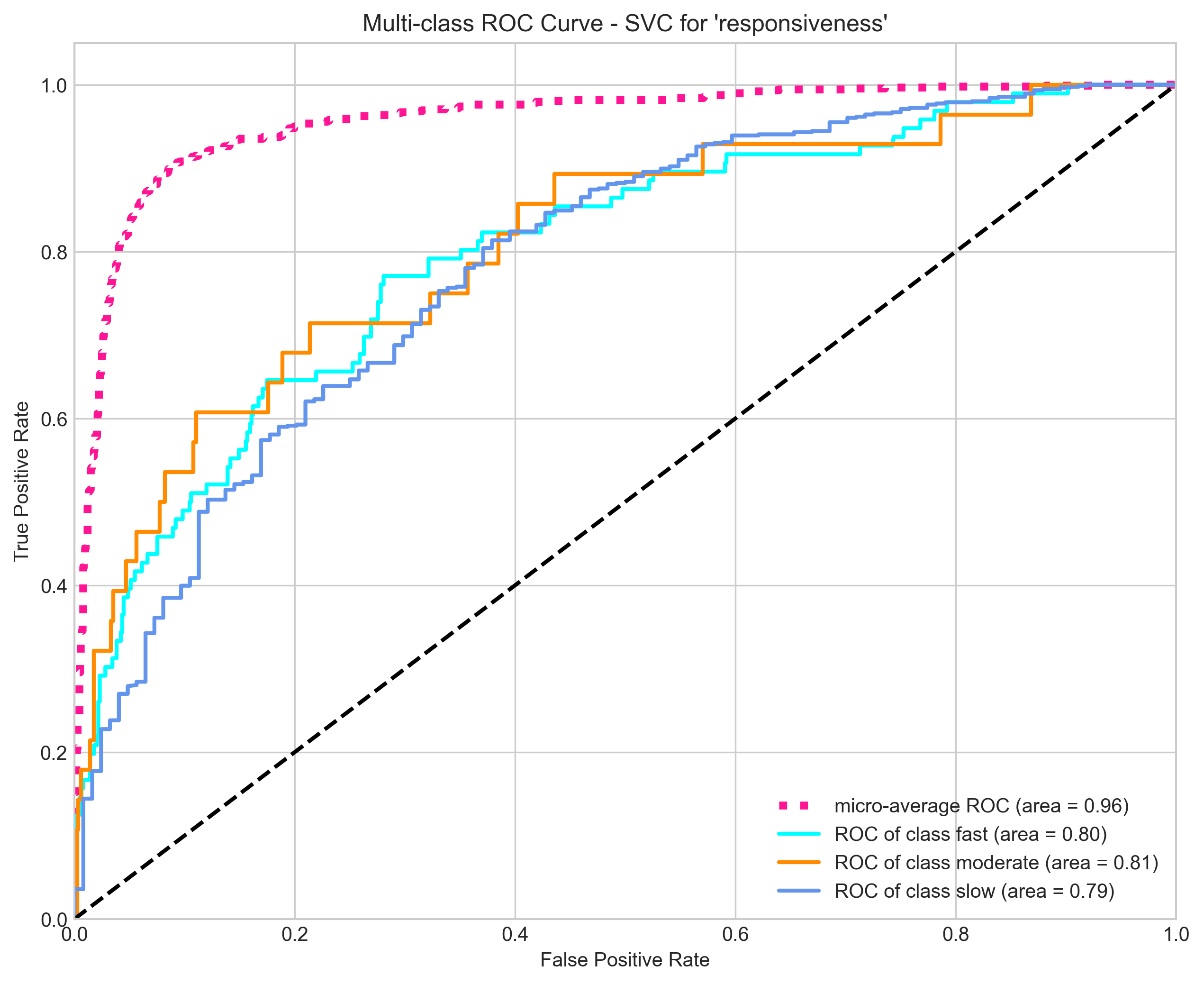
In public administration, citizen feedback across digital touchpoints provides direct insight into service delivery. However, user feedback in Bengali is frequently unstructured, colloquial, noisy, and covers multiple operational dimensions simultaneously.
To address this, we developed eGov-Lens: a comprehensive, multi-dimensional aspect-based NLP framework for analyzing citizen feedback across 12 major Bangladeshi e-government services.
Curating the 34,001-Comment Dataset
We curated and manually annotated a corpus of 34,001 Bengali comments collected between 2020 and 2024 from the official public forums and channels of 12 critical e-government services:
12 Covered E-Government Service Sectors:
Multi-Aspect Analytical Framework
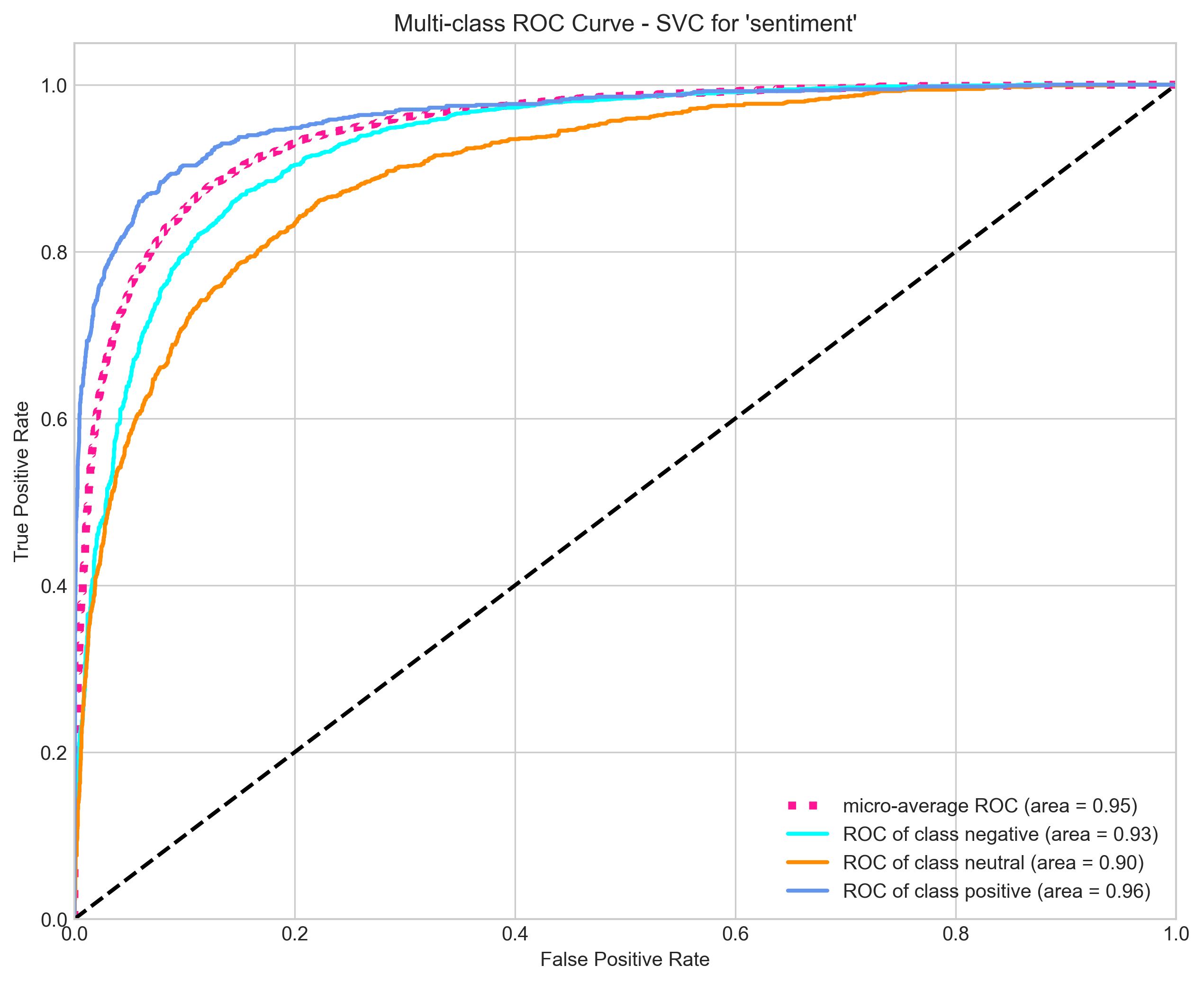
Instead of generic sentiment polarity, eGov-Lens decomposes each citizen review into four policy-actionable aspect categories:
- Sentiment: Overall public sentiment polarity (Positive, Negative, Neutral).
- Ease of Finding (EoF): Navigation and accessibility of specific service workflows.
- Responsiveness: Turnaround speed, server downtime, and administrative responsiveness.
- Accuracy: Information correctness, document precision, and transactional integrity.
Model Benchmarking & Architecture
We benchmarked 7 distinct machine learning and transformer representation combinations:
- Text Representations: CountVectorizer (BoW n-grams), Multilingual BERT (mBERT), and pretrained domain-specific BanglaBERT.
- Classifiers: Support Vector Classifier (SVC), Logistic Regression (LR), and Multinomial Naive Bayes (MNB).
Deployment-Aware Entropy-Weighted TOPSIS
In resource-constrained governmental infrastructure, raw accuracy alone is insufficient. We utilized the Technique for Order Preference by Similarity to Ideal Solution (TOPSIS) with objective Shannon Entropy weighting across 6 critical operational criteria:
TOPSIS Closeness Coefficient Formula:
where $D_i^+$ and $D_i^-$ represent the Euclidean distance to the positive-ideal and negative-ideal solutions across Accuracy, F1-score, Recall, ROC-AUC, Training Time, and Inference Latency.
Repository & Open Dataset
The complete source code, preprocessing scripts, fine-tuned models, and annotated Bengali dataset are open-source: